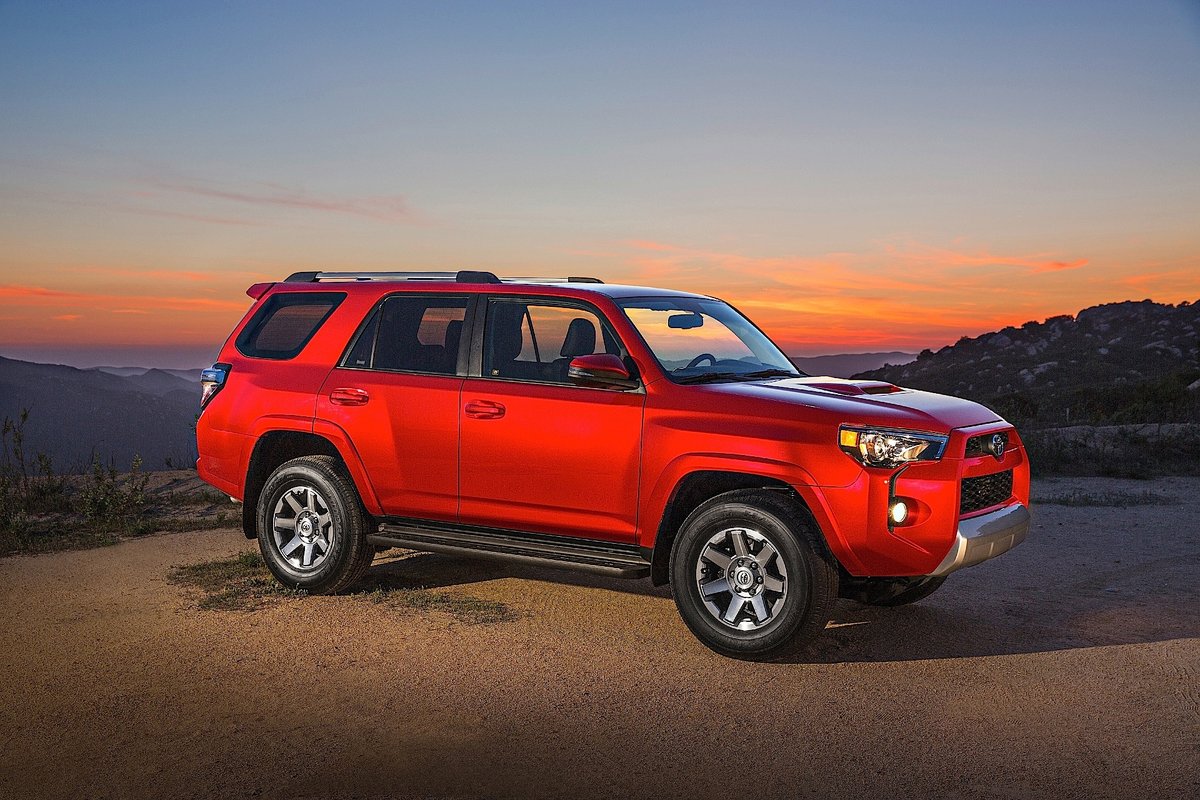
From its humble beginnings as a modified pickup truck to a sophisticated, yet still rugged, off-road champion, the Toyota 4Runner has carved out an almost unparalleled niche in the automotive landscape. What often gets overlooked amidst discussions of its legendary reliability and tenacious off-road prowess are the hearts that beat beneath its hood: its engines and the complex powertrains that have propelled it through six distinct generations. Understanding the evolution of 4Runner engines & powertrains isn't just a technical exercise; it's a deep dive into how Toyota balanced capability, efficiency, and market demands over four decades, creating a vehicle that's sold over 4 million units and continues to capture the imagination of adventurers worldwide.
This isn't merely a list of specifications; it's the story of how the 4Runner's mechanical core adapted, innovated, and occasionally, stubbornly stood its ground, ensuring it remained true to its body-on-frame roots even as the automotive world shifted around it.
At a Glance: The 4Runner's Power Journey
- Early Days (1984-1989): Started with a reliable 2.4L inline-four, evolving to include fuel injection, turbocharging, and eventually a V6 option.
- Growing Up (1990-1995): Maintained the I4 and V6, focusing on comfort and a closed-body design, but the V6 provided the mainstream power.
- Hitting Its Stride (1996-2002): Introduced unique body/chassis; new V6 (3.4L) and I4 (2.7L) from the Tacoma, marking a shift to more refined power.
- The Powerhouse Era (2003-2009): The only generation to offer a V8 engine, balancing luxury with formidable power, alongside a robust V6.
- Modern Icon (2010-2024): Defined by the steadfast 4.0L V6 and five-speed automatic, proving that a tried-and-true setup could dominate for 15 years.
- The Future is Now (2025+): Embracing efficiency and power with a turbocharged inline-four, including a significant hybrid option and an eight-speed automatic.
The Genesis: First Generation (1984–1989) – Simple, Rugged Beginnings
When the Toyota 4Runner first rolled out for the 1984 model year, it was a straightforward answer to a simple question: "What if we took our incredibly popular Hilux pickup, added a back seat, and threw a fiberglass cap on it?" The result was a vehicle that, while primitive by today's standards, perfectly encapsulated the nascent "sport-utility vehicle" concept. Its powertrain was equally uncomplicated, focused on reliability and durability rather than raw power.
The standard bearer for this first generation was a 2.4-liter inline-four engine, initially producing a modest 96 horsepower. This engine, known for its bulletproof reliability, was often paired with a manual transmission, cementing its reputation as a no-nonsense workhorse. For enthusiasts, the solid axles both front and rear provided exceptional confidence off-road, a foundational characteristic that would largely define the 4Runner for generations to come.
As the decade progressed, Toyota recognized the need for more oomph and better on-road manners. The 2.4L engine saw improvements, gaining fuel injection for better efficiency and output. Then came the turbocharging option, a clear nod to performance trends of the era, boosting power figures. However, the most significant powertrain upgrade arrived after 1988: an optional 150-horsepower V6. This marked the beginning of the 4Runner's flirtation with more substantial power, setting a precedent for future generations. Concurrently, a crucial comfort upgrade arrived in 1986 with the adoption of an independent front suspension, smoothing out the ride without sacrificing too much off-road capability.
Stepping Up: Second Generation (1990–1995) – Enclosed Comfort
The second generation 4Runner, introduced in late 1989, addressed the primary limitation of its predecessor: the removable fiberglass cap. This new model featured fully integrated, closed bodywork, and, crucially, four doors became the volume seller, transforming it into a more family-friendly SUV. While it retained its HiLux pickup chassis roots, the focus was squarely on comfort and daily driveability, influencing its powertrain and suspension choices.
Under the hood, this generation largely carried over the engine options from its predecessor, demonstrating Toyota's confidence in their established powertrains. You'd find the familiar inline-four, a testament to its reliability, and the more popular 150-horsepower 3.0-liter V6. While capable, especially when paired with a manual transmission (a popular choice in earlier years), the V6 could feel a bit strained, particularly on the highway, with a 0-60 mph sprint taking around 15.7 seconds. This generation highlighted that while the 4Runner was evolving in terms of body style and interior comfort, its engines were still prioritizing endurance over blistering speed.
Significant changes did come in the drivetrain and suspension. The rear suspension transitioned from leaf springs to a more compliant coil-spring setup, further improving ride comfort. The solid front axle, a hallmark of serious off-roaders, was fully replaced by an independent suspension, a clear signal of the 4Runner's dual identity as both a rugged trail vehicle and a practical daily driver. This generation refined the balance, making the 4Runner a more appealing proposition for a wider audience, all while still relying on its proven engine architecture.
Forging Its Own Path: Third Generation (1996–2002) – Modernizing the Core
The third generation 4Runner was a pivotal moment in its history. This was the point where the 4Runner truly shed its "pickup truck with a shell" identity and emerged as a distinct, purpose-built SUV. Its body, frame, and chassis were unique, no longer directly shared with the Tacoma, signaling Toyota's serious commitment to the 4Runner as a standalone model. This independence allowed for more tailored engineering, impacting everything from steering to engine choices.
This generation saw a significant upgrade in available engines, both borrowed from the capable Tacoma pickup. The primary engine was a robust 183-horsepower 3.4-liter V6, offering a noticeable power bump over its predecessor. This V6, known for its smooth operation and reliability, propelled the 4Runner from 0-60 mph in a more respectable 10.0 seconds. For those prioritizing economy or a lower entry price, a 150-horsepower 2.7-liter inline-four was also available. Both engines paired well with either a manual or automatic transmission, though the manual option for the 4Runner would eventually phase out by 2001.
Crucially for its handling, the third generation adopted rack-and-pinion steering and a new coil-spring control-arm front suspension. These changes, combined with the continued body-on-frame construction, created a vehicle that felt more refined on pavement yet retained its formidable off-road chops. A part-time 4WD system, often complemented by an electronically locking rear differential, ensured its continued credibility when the pavement ended. This generation cemented the 4Runner's reputation as a balanced SUV: comfortable enough for the daily grind but always ready for adventure. If you're keen to dive deeper into how these engineering choices shaped its enduring legacy, you might enjoy Exploring 4Runner Generations in more detail.
The Peak of Power & Plushness: Fourth Generation (2003–2009) – A V8 Legacy
The fourth generation, launched in 2002, marked a significant shift towards larger, more luxurious, and more powerful territory for the 4Runner. It became the biggest and heaviest iteration to date, reflecting a market trend towards more refined SUVs that could still tackle serious trails. While it undeniably leaned into on-pavement comfort, its body-on-frame construction ensured its off-road capability remained intact.
This generation is particularly notable for being the only 4Runner to offer a V8 engine in North America. The available engines included a robust V6 and the aforementioned V8, with other markets even seeing options like a 3.0-liter turbocharged diesel. The V8, particularly the 2005 model year variant producing 270 horsepower, delivered impressive performance, launching the SUV from 0-60 mph in a brisk 7.2 seconds. This was a clear statement: the 4Runner could be powerful and plush without abandoning its roots.
The drivetrain offerings also evolved to match the power. V6 models typically featured a part-time 4WD system, providing flexibility for different driving conditions. The V8 models, however, came standard with a more sophisticated full-time 4WD system, complete with a Torsen center differential. This setup offered continuous power to all four wheels, enhancing traction and stability in varying conditions without requiring driver intervention, further blurring the lines between rugged utility and everyday convenience. This generation truly embodied the "Sport-Utility Vehicle" moniker, offering a blend of power, luxury, and unrelenting capability that resonated deeply with buyers.
The Enduring Workhorse: Fifth Generation (2010–2024) – Steadfast Simplicity
Introduced in 2009, the fifth generation 4Runner became an anomaly in the SUV market. At a time when many competitors transitioned to unibody designs for improved on-road comfort and fuel efficiency, the 4Runner staunchly retained its body-on-frame construction. This commitment to its rugged foundation dictated a simpler, yet incredibly robust, powertrain philosophy that would define it for an astounding 15 years.
For most of its remarkable run, the fifth generation 4Runner was powered exclusively by one engine: a 4.0-liter V6, initially producing 270 horsepower, paired with an equally durable five-speed automatic transmission. While some early models briefly offered a four-cylinder option, the V6 quickly became the sole choice. This unwavering commitment to a single, proven powertrain was both a testament to its reliability and a point of contention for those seeking more modern engine tech or improved fuel economy. However, what it lacked in cutting-edge innovation, it made up for in sheer dependability and ample power for off-road excursions, achieving a 0-60 mph time of around 7.7 seconds.
Drivetrain options for the V6 varied by trim, offering versatility for different buyer needs:
- SR5: Standard rear-wheel drive (2WD), with an optional part-time 4WD system.
- Trail (later TRD Off-Road/Pro): Standard part-time 4WD, equipped with a low-range gear and often a rear locking differential for serious trail tackling.
- Limited: Standard full-time AWD, offering enhanced traction for all-weather on-road driving.
This generation also introduced modern off-roading aids like multiple terrain modes, available Crawl Control, and hydraulic anti-roll control (KDSS), all working in concert with the robust powertrain to enhance its legendary capability. The 4.0L V6, while not the most fuel-efficient, proved itself to be an absolute workhorse, perfectly suited to the 4Runner's identity as a go-anywhere, do-anything vehicle that could endure years of abuse. Its longevity in the market, with minimal powertrain changes, speaks volumes about its effectiveness and buyer loyalty.
The Next Chapter: Sixth Generation (2025 Model Year) – Turbocharged and Hybridized Future
After an impressive 15-year run, the fifth generation steps aside for the highly anticipated sixth generation 4Runner, introduced in spring 2024 for the 2025 model year. Built on the modern TNGA-F platform, shared with its robust siblings like the Tacoma, Land Cruiser, and Tundra, this new 4Runner ushers in a new era of power and efficiency while steadfastly retaining its body-on-frame construction and off-road cred.
The most significant news in the evolution of 4Runner engines & powertrains for this generation is the complete overhaul of its engine lineup, bidding farewell to the long-serving naturally aspirated V6. For the first time, the 4Runner offers a turbocharged inline-four engine, available in two distinct forms:
- i-Force: This standard powertrain is a 2.4-liter turbocharged inline-four, delivering a robust 278 horsepower and 317 lb-ft of torque. It offers more torque than the outgoing V6 and comparable horsepower, promising a livelier driving experience both on and off the road.
- i-Force MAX Hybrid: The true game-changer, this optional powertrain integrates the 2.4-liter turbocharged engine with a hybrid system, pushing combined output to an impressive 326 horsepower and 465 lb-ft of torque. This marks the first time a hybrid powertrain has been offered in a 4Runner, a bold step towards improved fuel efficiency and substantial low-end torque, which is invaluable for off-roading.
Both engine options are exclusively paired with a new eight-speed automatic transmission, a significant upgrade from the previous five-speed unit. The additional gears allow for better power delivery, smoother shifts, and improved fuel economy across the board.
Drivetrain options remain diverse and true to the 4Runner's heritage:
- Rear-wheel drive (2WD): Standard on some trims for everyday driving efficiency.
- Part-time 4WD: A classic, robust system available for serious off-road excursions, including a low-range transfer case.
- Full-time AWD: Offered on higher trims like the Limited and Platinum, providing continuous traction and added confidence in varying conditions.
This sixth generation also introduces adaptive dampers on Limited and Platinum models for enhanced on-road comfort, while trail-tackling trims boast 33-inch all-terrain tires, a locking rear differential, and a fortified suspension. These modern features, combined with the new turbocharged and hybrid powertrains, position the 2025 4Runner as a formidable contender that respects its past while firmly embracing the future. It's a clear statement that the 4Runner isn't just surviving; it's evolving, ready to tackle new adventures with power and efficiency.
The Enduring Appeal: What Drives the 4Runner's Legacy?
The Toyota 4Runner's enduring appeal isn't just about its rugged looks or its ability to conquer daunting trails; it's intrinsically linked to the reliability and capability of its engines and powertrains. From the humble inline-fours of the 80s to the powerhouse V8 of the 2000s, and now to the turbocharged and hybrid future, each generation's mechanical heart has been chosen with a clear purpose.
Toyota's strategy has always been a careful balance: embracing innovation when it enhances capability or efficiency, but steadfastly refusing to compromise on the core tenets of reliability and off-road prowess. While some might lament the absence of a V8 in recent generations, or the long tenure of the five-speed automatic, these choices were often about delivering a known quantity—a powertrain that could withstand years of abuse and come back for more.
The shift to a turbocharged inline-four and, more importantly, a hybrid system in the sixth generation is arguably the biggest leap in the evolution of 4Runner engines & powertrains since the introduction of the V8. It signals a new era where the 4Runner will likely appeal to an even broader audience, offering more power, better fuel economy, and advanced technology, all while retaining the fundamental body-on-frame construction, available low-range 4WD, and that iconic roll-down rear window that remind us of its unwavering spirit.
Ultimately, the 4Runner's journey through its engines and powertrains is a masterclass in controlled evolution. It's about adapting enough to stay relevant, but never so much that it loses its soul. Whether you're a long-time enthusiast or a newcomer, understanding the powerplants that have driven this icon provides a deeper appreciation for why the Toyota 4Runner continues to be a legend, ready for whatever adventure lies ahead.