Buying Guide to Choosing the Right 4Runner Generation: Your Definitive Roadmap
So, you’ve decided it's time for a Toyota 4Runner. Smart move. Few vehicles command the loyalty and respect of this iconic SUV, known for its rugged durability and off-road prowess. But with nearly four decades of history and a brand-new 6th Generation hitting the market for 2025, navigating your options can feel less like a shopping trip and more like an expedition. This Buying Guide: Choosing the Right 4Runner Generation is designed to cut through the noise, helping you pinpoint the perfect 4Runner for your adventures, budget, and lifestyle.
Whether you're eyeing a battle-tested veteran or the latest tech-packed trailblazer, understanding the nuances between generations is crucial. Let’s break down what truly matters.
At a Glance: Key Takeaways for Your 4Runner Quest
- 5th Gen (2010-2024): The Proven Workhorse. Ideal if you prioritize legendary reliability, a simpler, mechanical feel, extensive aftermarket support for modifications, and a lower purchase price (especially for used models). Its 4.0L V6 is a known quantity, though fuel economy and interior tech are dated.
- 6th Gen (Launched 2025): The Modern Contender. Choose this if you want cutting-edge technology, significantly improved fuel economy (especially the hybrid), more refined on-road manners, enhanced safety features, and a fresh design. Expect to pay a premium.
- Earlier Generations (1st-4th): Vintage Charm & Value. Perfect for enthusiasts, those on a tighter budget, or anyone seeking a simpler, more analog off-road experience. Be mindful of potential rust and specific mechanical issues with certain years.
- Best Years: Look for 3rd Gen (1996-2002) for classic reliability or late-model 5th Gen (2018+) for a solid, proven platform.
- Years to Avoid: Exercise caution with 2003-2005 (head gaskets, frame rust), 2010 (transmission, electrical), and 2014-2015 (electrical, infotainment, steering).
- Resale Value: All 4Runners hold their value exceptionally well, making them a sound investment regardless of generation.
The Enduring Appeal: Why a 4Runner?
Before diving into the specifics of each generation, it's worth a moment to appreciate why the Toyota 4Runner remains such a compelling choice for so many. It's more than just a rugged SUV; it's a statement of capability, reliability, and enduring value.
From its roots as a bare-bones utility vehicle in the mid-1980s to its current status as a formidable off-road icon, the 4Runner has consistently delivered on its promise. Its body-on-frame construction, a rarity in today's crossover-dominated market, provides a sturdy foundation for both demanding trails and daily commutes. This robust design, combined with Toyota's legendary engineering, translates into a vehicle renowned for its longevity and ability to rack up hundreds of thousands of miles with proper care.
Owners frequently praise the 4Runner's versatility. It's equally at home hauling camping gear through rough terrain, towing a small boat to the lake, or navigating urban landscapes (albeit with less grace than some softer SUVs). Maintenance is generally affordable, and parts are readily available, further cementing its reputation as a practical and dependable choice. For those who value a vehicle that can truly do it all without complaint, the 4Runner consistently delivers.
However, like any vehicle, the 4Runner has its trade-offs. Fuel economy, particularly in the 5th Gen, is often cited as a drawback, and its truck-like handling isn't for everyone. Yet, for its devoted fan base, these are minor concessions for a vehicle that embodies durability and adventure. Now, let’s get down to the critical decision: which generation fits your journey?
The Great Divide: 5th Gen (2010-2024) vs. 6th Gen (2025+)
This is the big one. For years, the 5th Generation 4Runner has been a staple, but the arrival of the 6th Generation for 2025 throws a significant curveball into the buying process. This isn't just an update; it's a fundamental shift in design, technology, and philosophy.
Performance and Powertrain: Old-School Grit vs. Modern Muscle
5th Gen (2010-2024):
For over a decade, the 5th Gen has relied on a singular, steadfast powertrain: the 4.0L V6 engine paired with a 5-speed automatic transmission. This setup, producing around 270 horsepower and 278 lb-ft of torque, is the definition of "tried and true." It’s not the most powerful or fuel-efficient engine on the market, but its durability is legendary. It delivers predictable power delivery, which is excellent for crawling over obstacles off-road, and its simpler 5-speed transmission has fewer parts to potentially fail.
This generation maintains the traditional body-on-frame architecture and a solid rear axle, features that contribute immensely to its rugged off-road reputation. It’s built like a tank, designed to withstand punishment, and its proven 4WD systems are straightforward and effective. If you’re a purist who values mechanical robustness over cutting-edge engineering, the 5th Gen's powertrain is a major selling point.
6th Gen (Launched 2025):
The 6th Gen represents a seismic shift in powertrain strategy. Toyota has retired the venerable 4.0L V6, opting for a pair of modern, more efficient turbocharged 2.4L inline-4 engines, both mated to an advanced 10-speed automatic transmission.
- Base i-FORCE (2.4L Turbo-4): This engine delivers a respectable 278 horsepower and a significant 317 lb-ft of torque, available lower in the RPM range than the outgoing V6. This means quicker acceleration and more immediate power for passing or climbing.
- i-FORCE MAX Hybrid (2.4L Turbo-4 + Electric Motor): This is the flagship powertrain, offering a substantial boost in power and, crucially, fuel economy. While exact figures are still solidifying, it promises to be the most powerful and efficient 4Runner ever. The immediate torque from the electric motor will also be a boon for off-roading and towing.
The 10-speed automatic transmission not only improves efficiency but also provides smoother, more refined shift quality compared to the 5-speed. The 6th Gen is also designed to be lightweight, sporty, and easier to maneuver, suggesting a more balanced on-road experience without sacrificing off-road capability, which remains a core tenet. It will feature a 5,000 lbs towing capacity.
Interior and Technology: Analog Charm vs. Digital Dominance
5th Gen (2010-2024):
Step inside a 5th Gen 4Runner, and you'll find a cabin that feels undeniably robust but also, well, dated. Its straightforward, analog interior prioritizes physical buttons and chunky controls, which many off-roaders appreciate for their tactile feedback and ease of use with gloved hands. While later models did receive infotainment updates (including Apple CarPlay and Android Auto in the final years) and some safety tech, the core design language remains largely unchanged since 2010.
Expect smaller touchscreens (often 8-inch), traditional analog gauges, and a general lack of the creature comforts and advanced connectivity features common in modern SUVs. It’s a "get the job done" interior, durable and functional, but not luxurious or technologically advanced. Practical features like a ventilating back window are still huge crowd-pleasers.
6th Gen (Launched 2025):
The 6th Gen leaps into the modern era with a completely redesigned cabin. Expect a large 14-inch touchscreen as the centerpiece, integrated with wireless Apple CarPlay and Android Auto. A digital gauge cluster provides customizable information, and the overall aesthetic is cleaner, more contemporary, and packed with the latest connectivity options.
This generation also integrates Toyota's newest suite of safety technologies, Toyota Safety Sense 3.0, which includes automatic high-beam headlamps, blind-spot monitor warnings, forward-collision warnings with automatic emergency braking, lane change assist, and adaptive cruise control. These features were notably absent or rudimentary in the 5th Gen, marking a significant improvement in active safety. Expect more comfortable seats, better materials, and a generally more refined user experience.
Price and Value: Budget-Friendly vs. Premium Investment
5th Gen (2010-2024):
Here’s where the 5th Gen really shines for value-conscious buyers. Used models, particularly those pre-2020, are significantly cheaper than a new 6th Gen. Their proven reliability means even high-mileage examples can be fantastic bargains. Furthermore, the 5th Gen boasts an enormous aftermarket support network. Want to lift it, add bigger tires, new bumpers, or customize the interior? The options are endless and often more affordable due to years of development. You’re buying into a well-established ecosystem of parts and expertise.
- Estimated Used 4Runner Budget (5th Gen examples):
- 2010-2013: Around $20,000
- 2014-2017: Around $30,000
- 2017-Present: Around $40,000 (closer to new 5th Gen MSRP)
6th Gen (Launched 2025):
As a brand-new model, the 6th Gen will command a premium price. You're paying for the latest design, advanced technology, improved performance, and better fuel economy. While its initial cost will be higher, it offers future-proof features, a modern driving experience, and better efficiency, which could lead to long-term savings at the pump. It will also benefit from a full factory warranty and the latest safety features. Its resale value is also expected to be excellent, consistent with Toyota's reputation.
Decision Guidance: Who Should Buy Which?
- Choose the 5th Gen if:
- You prioritize proven, bulletproof reliability and a simpler, more mechanical driving experience.
- Your budget is tighter, and you're looking for significant savings on the used market.
- You plan extensive modifications for serious off-roading; the aftermarket support is unmatched.
- You prefer physical buttons and a less "techy" interior.
- Advanced safety features aren't a top priority.
- You don't mind the dated fuel economy figures.
- You appreciate the traditional body-on-frame SUV aesthetic and feel.
- Choose the 6th Gen if:
- You seek cutting-edge technology, modern connectivity (large touchscreen, wireless CarPlay), and a more refined interior.
- Improved fuel economy (especially the hybrid variant) is a major factor.
- You want the latest active safety and driver assistance features (Toyota Safety Sense 3.0).
- You desire more power and a smoother transmission, particularly with the i-FORCE MAX.
- You're comfortable paying a premium for a brand-new vehicle with a full warranty.
- You want a more "future-proof" vehicle that will feel current for years to come.
Exploring the 4Runner Lineage: A Look Back at Earlier Generations
While the 5th and 6th Gens dominate current discussions, the 4Runner's rich history offers compelling alternatives, particularly for enthusiasts and those on a budget. To truly Explore 4Runner generations, let's briefly touch upon its evolution.
1st Generation (1984-1989): The Pioneer
The original 4Runner was essentially a Toyota pickup truck with a fiberglass shell over the bed and rear seats. It was rugged, utilitarian, and established the 4Runner's bona fides as an off-road beast. While praised for its capability, it was often criticized for being slow and overtly "truck-like" – traits that today's collectors often embrace. Finding one in good condition without significant rust is challenging but rewarding.
2nd Generation (1990-1995): Entering the SUV Market
This generation saw the 4Runner evolve into a true SUV, with a fully integrated body and hardtop. It pioneered the look of modern SUVs while retaining its truck-like appearance and formidable off-road capability. Engine options included a 115-hp 4-cylinder and a more popular 150-hp V6. These are popular project vehicles, offering a balance of vintage appeal and practical modification potential.
3rd Generation (1996-2002): The Golden Era for Many
Often hailed as the "sweet spot" by many enthusiasts, the 3rd Gen 4Runner is celebrated for its exceptional reliability and sturdy construction. It hit a fantastic balance of capability, comfort, and build quality. Its most popular engine, the 183-hp 3.4L V6, is known for its bulletproof durability, easily lasting hundreds of thousands of miles. This generation is a prime candidate for those seeking a highly capable and dependable off-roader without the high price tag of newer models. It's also suitable for families, offering a more refined ride than its predecessors.
4th Generation (2003-2009): The V8 Experiment
The 4th Gen introduced a more refined interior and, notably, an optional 4.7L V8 engine (235 hp, 315 lb-ft torque) alongside the V6. While the V8 offered impressive power and towing, this generation faced criticism for its styling, which wasn't as universally well-received, leading to slower sales compared to its predecessor. Despite the V8's capability, this era also saw some of the more commonly reported issues like head gasket failures and significant frame rust, which buyers need to be acutely aware of.
Decoding Your Budget: Estimated Used 4Runner Price Ranges
The 4Runner's exceptional resale value means even older models retain significant worth. Here's a general idea of what you can expect to pay for used models, keeping in mind that condition, mileage, trim level, and location heavily influence actual prices.
- 1st and 2nd Gen (1988-2002): Often found around $5,000. These are typically higher mileage, potentially needing work, or cherished examples commanding more.
- 3rd Gen (2003-2009): You'll generally find these in the $10,000 range. The sweet spot of reliability makes them a great value, but inspect for rust.
- Early 5th Gen (2010-2013): Expect to pay around $20,000. These are excellent entry points into the modern 4Runner experience.
- Mid-5th Gen (2014-2017): Prices climb to about $30,000. You'll start seeing more refined interiors and often lower mileage.
- Late 5th Gen (2017-Present): These can fetch upwards of $40,000, approaching new 4Runner prices, a testament to their enduring demand.
Best and Worst Years: Navigating the 4Runner Timeline
Even a legend like the 4Runner has its highs and lows. Knowing which model years to prioritize and which to approach with caution can save you significant headaches and expenses.
Years to Approach with Caution (Known Issues):
- 2003, 2004, 2005 (4th Gen): These years are frequently cited for head gasket failures in the V6 engine and significant issues with frame rust, especially in regions that use road salt. Thorough inspection of the frame is non-negotiable if considering these models.
- 2010 (Early 5th Gen): The inaugural year of the 5th Gen experienced some growing pains, with reports of automatic transmission issues and various electrical system problems.
- 2013-2014 (Mid-5th Gen): Generally advised to steer away from due to a cluster of electrical issues, including radio malfunctions, door lock failures, and stuck running boards. The 2014 model also had reports of steering problems (shuddering at 55-65 mph), increased instability in adverse weather, and premature tire wear.
- 2015 (Mid-5th Gen): The primary concern here was the infotainment center, which experienced frequent freezing, restarting, Bluetooth connection failures, and charging issues. While not mechanical, it's a daily frustration.
- 2006-2008 (4th Gen): While better than earlier 4th Gens, these still saw mainly body and paint problems, with the 2007 model also reporting brake, engine, and exterior accessory issues.
- 2009 (Late 4th Gen): Some reports of transmission and drivetrain problems surfaced for this model year.
Best 4Runner Years (Praised for Quality and Performance):
- 3rd Generation (1996-2002): This generation is a true standout. Highly reliable with sturdy construction, it's suitable for both serious off-roading and everyday family use. The 183-hp 3.4L V6 engine is particularly lauded for its longevity. If you find a well-maintained 3rd Gen, it’s often a fantastic investment.
- Late 5th Generation (2018-2024): After working out some initial kinks, the later years of the 5th Gen are considered the most refined and reliable of its run. While still lacking the advanced active safety features of newer vehicles, they benefit from years of minor improvements and proven component durability. If you want a 5th Gen, these years offer the most peace of mind.
- 2nd Generation (1990-1995): For those looking for a classic, capable SUV, the 2nd Gen holds its own. It pioneered the modern SUV layout and offers strong off-road capability with a charismatic, truck-like appearance.
The Real-World Experience: Pros and Cons of 4Runner Ownership
Understanding the general benefits and drawbacks of the Toyota 4Runner is crucial, regardless of which generation you're leaning towards.
The Upsides: What 4Runner Owners Love
- Unmatched Reliability and Longevity: This is the 4Runner's superpower. Many owners report hundreds of thousands of miles with proper maintenance, showcasing its legendary durability. It’s a vehicle built to last.
- Versatility: From urban commutes to remote trails, the 4Runner handles a wide range of conditions with confidence. It's truly a do-it-all SUV.
- Affordable Maintenance: Thanks to its widespread use and robust design, parts are generally affordable, and mechanics are familiar with its systems.
- Strong Engine Durability: The common 4.0L V6 in the 5th Gen is a workhorse, offering dependable power (270 hp, 280 lb-ft torque) and a respectable 0-60 mph in about 7.5 seconds. The new 6th Gen promises even more.
- Balanced On-Road Handling (for its class): While not a sports car, the 4Runner offers surprisingly smooth steering and a stable ride on pavement, making daily driving comfortable despite its rugged nature.
- Classic, Masculine Aesthetics: Models like the SR5 boast a sporty, aggressive look that appeals to many, embodying adventure.
- Practical Features: Depending on the trim, expect practical additions like roof rails, skid plates, front/rear parking sensors, and that much-loved power ventilating rear window.
- Cargo & Seating: Many configurations offer seating for seven passengers (with a third row that's best for kids) and ample cargo space, especially with the rear seats folded flat.
The Downsides: What Buyers Should Consider
- Fuel Economy: This is perhaps the most significant drawback for older generations, particularly the 5th Gen. Expect around 17 mpg in the city and 21 mpg on the highway. This worsens with heavy loads or off-road tires. While it doesn’t require premium fuel, the thirst for regular gas can add up. The 6th Gen's i-FORCE MAX hybrid aims to significantly improve this.
- Cost (New & Used): While used 4Runners can be budget-friendly, new models, especially higher trims like the Nightshade Edition (around $45,000) or TRD Pro (over $45,000 + $1,500 for extras), are expensive. Competitors often offer more luxury or technology for the same price point in the SUV market.
- Safety Technology (Older Generations): This is a critical point for the 5th Gen. It largely lacks advanced driving aids like collision alerts, blind-spot warnings, and adaptive cruise control until very late models. Even then, its front protection was rated "marginal" by the IIHS in some tests. The 6th Gen addresses this with its full suite of Toyota Safety Sense 3.0.
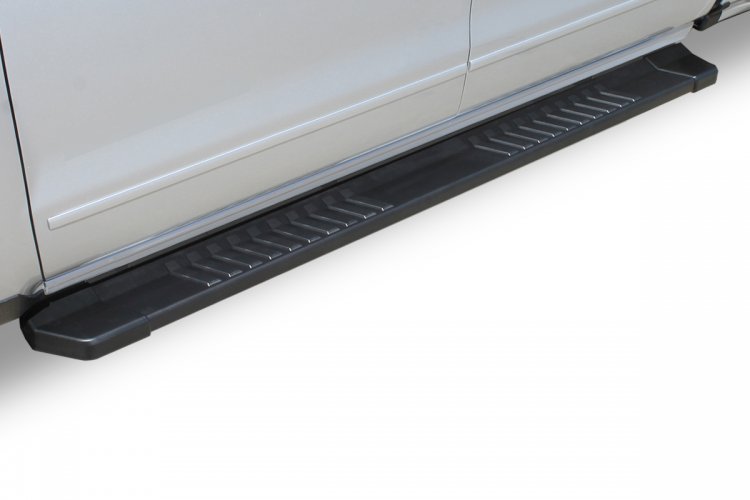
- Entry/Exit Difficulty: The 4Runner's high ground clearance, a boon for off-roading, can make stepping in and out a challenge for shorter individuals, children, and the elderly. Running boards or rock sliders can help, but they don't fully eliminate the issue.
- Dated Interior (5th Gen): As discussed, the 5th Gen's interior can feel behind the times in terms of design, infotainment, and material quality compared to modern rivals.
The Upcoming 2025 Model (6th Gen): A Deeper Dive into the Future
The 6th Generation 4Runner isn't just a new model; it's a redefinition of the nameplate for a new era. Building on the platform shared with the new Tacoma and Land Cruiser, it promises a blend of traditional 4Runner ruggedness with contemporary comfort and efficiency.
Beyond the core powertrain changes, what else should you expect?
- TRD Sport Model: This popular trim returns, likely offering a sportier appearance package, unique wheels, and potentially a more aggressive suspension tuning for on-road performance, without sacrificing off-road DNA.
- New Design Elements: Expect a more aggressive, modern exterior while retaining signature 4Runner cues. Features like a hood scoop and LED high beams will enhance both style and functionality.
- Luxurious Interior Options: Upper trims will feature premium materials, such as faux leather, aiming for a more upscale feel than previous generations. The 14-inch touchscreen and digital gauge cluster will be standard on many models.
- Adaptive Dampers: Certain trims will offer adaptive dampers for improved body control, allowing the suspension to adjust to different driving conditions, enhancing both comfort and handling on various terrains.
- Drivetrain Options: The 6th Gen will likely offer traditional rear-wheel drive, full-time four-wheel drive (for specific trims), and part-time four-wheel drive systems, providing versatility for different driving needs.
- Enhanced Safety: As mentioned, Toyota Safety Sense 3.0 will be standard across the lineup, providing a comprehensive suite of active safety features that significantly improves upon the 5th Gen's offerings.
- Performance Metrics: Toyota estimates a 0-60 mph time of approximately 7.6 seconds for the new powertrains, aligning it closely with the outgoing V6 but with better efficiency.
In essence, the 6th Gen is designed to be lightweight, sporty, immensely capable off-road, and easier to maneuver in daily driving. It promises a truly modern 4Runner experience, bridging the gap between its utilitarian past and a tech-driven future.
Resale Value: A Smart Investment
One of the most compelling reasons to choose a Toyota 4Runner is its phenomenal resale value. Unlike many vehicles that depreciate rapidly the moment they leave the lot, 4Runners hold their value with remarkable tenacity.
Across the board, Toyota 4Runners boast a 5-year depreciation rate of just 38.5%, which is significantly better than the average 49% for all cars. This means that if you decide to sell your 4Runner after a few years, you'll likely recoup a much larger percentage of your initial investment compared to owning many other SUVs. This strong resale value makes the 4Runner not just a purchase, but a solid long-term investment. Whether new or used, you're buying into a vehicle that commands respect in the secondary market.
Making Your Choice: A Decision Framework for Your 4Runner
Bringing all this information together, how do you make the ultimate decision? Consider these final points to guide your choice:
- Prioritize Your Purpose:
- Dedicated Off-Roader/Mod Enthusiast: The 5th Gen (especially pre-2020) offers a simpler platform, a massive aftermarket, and a lower entry cost for heavy modification. The 3rd Gen is also an excellent, affordable choice here.
- Daily Driver with Weekend Adventures: The 6th Gen will offer a more refined, comfortable, and efficient experience for daily duties, while still being extremely capable off-road. Late-model 5th Gens are also good if you prioritize proven reliability over cutting-edge tech.
- Budget-Conscious Buyer: Look to the used 5th Gens (2010-2017) or the highly reliable 3rd Gen (1996-2002) for the best value.
- Evaluate Your Tech & Safety Needs:
- If you must have the latest infotainment, connectivity, and comprehensive active safety features, the 6th Gen is your only real option.
- If you prefer a simpler, more analog experience and are comfortable with fewer active safety aids, the 5th Gen delivers.
- Consider Fuel Economy:
- If gas mileage is a primary concern, the 6th Gen, particularly the i-FORCE MAX hybrid, will be a significant improvement. The 5th Gen is notoriously thirsty.
- Long-Term Ownership & Investment:
- Both generations will likely hold excellent resale value. A new 6th Gen offers modern features that will stay relevant longer, while a well-maintained 5th Gen has a proven track record of durability that continues to impress.
- Test Drive, Test Drive, Test Drive:
- If possible, drive both a 5th Gen (preferably a later model) and the new 6th Gen. The driving dynamics, interior feel, and overall experience are distinct. What one person loves, another might tolerate. Your personal preference will be the ultimate tie-breaker.
The Toyota 4Runner, in any generation, represents a commitment to rugged reliability and adventure. By carefully weighing your priorities against the unique strengths of each generation, you can confidently choose the 4Runner that's perfectly poised to be your companion for years, and many miles, to come. Happy trails!